
FLUX schnell
FLUX.1 [schnell] is a open source model with 12 billion parameter rectified flow transformer capable of generating images from text descriptions

Cutting-edge Output Quality and Competitive Prompt Following

Trained Using Latent Adversarial Diffusion Distillation

Superior Prompt Following
Flux.1
Prompt
Example prompts
Opens the GoEnhance editor with this model and prompt ready.
How to Use FLUX schnell
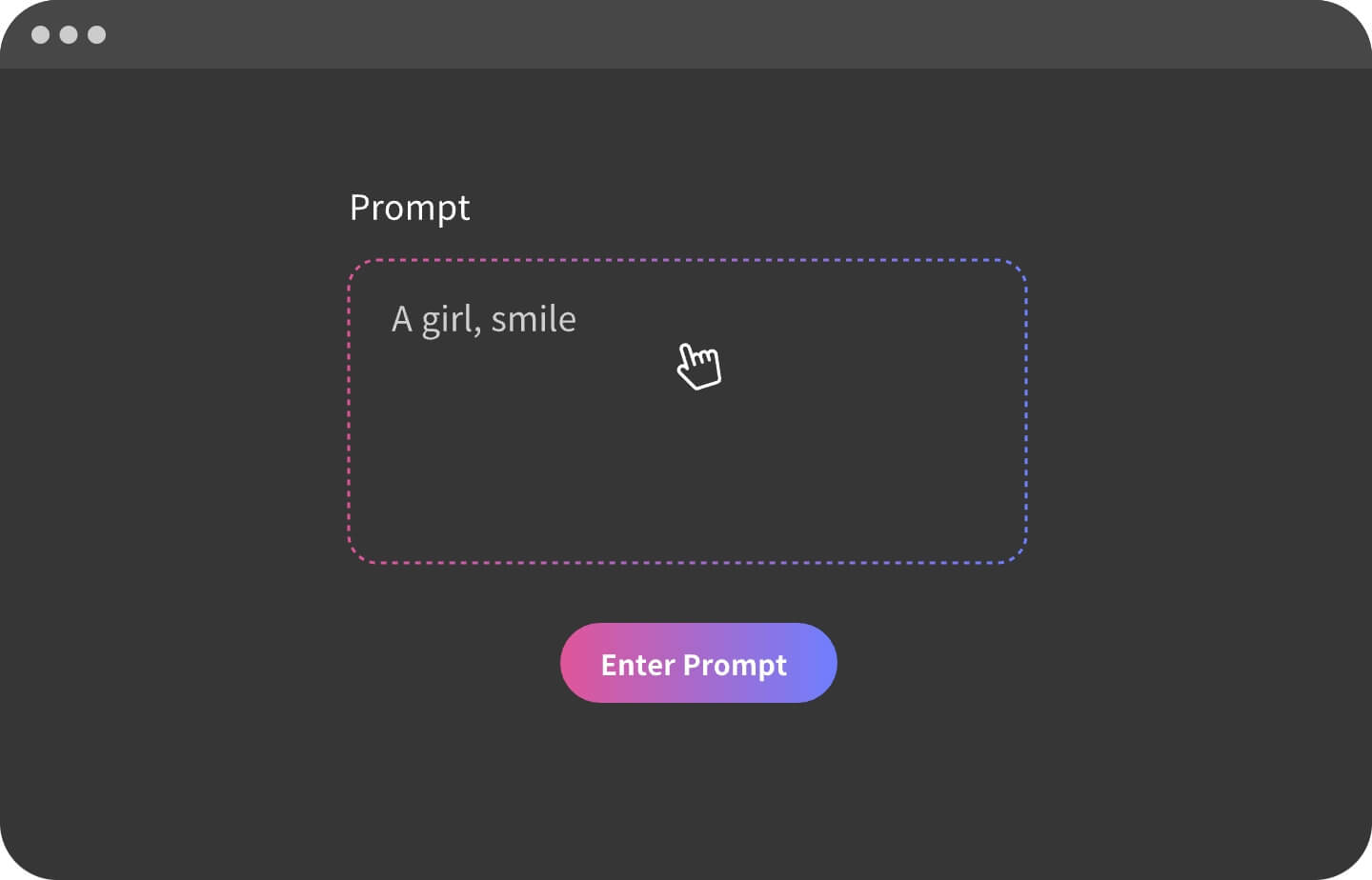
Step 1: Enter Prompt
Please use natural language to describe your imaginary picture. The more accurate the words, the better the picture quality.
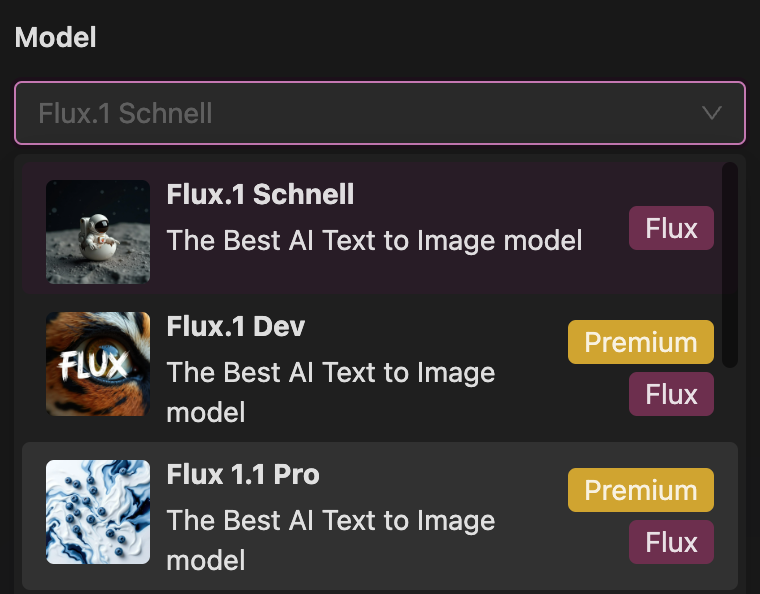
Step 2: Select the Flux schnell Model
Click the 'Model', Choose Flux Schnell Model, it is free and fast, it is about 3-5 times faster than dev.

Step 3: Generate
We have the simplest process, click generate, wait about 10-20 seconds, and you will get super high quality pictures.
Features of FLUX schnell
Frequently Asked Questions
What is FLUX.1 [schnell]?
The difference between flux schnell and flux series?
What license is FLUX.1 [schnell] released under?
What are the main limitations of FLUX.1 [schnell]?
How does FLUX.1 [schnell] compare to other image generation models?
More FLUX Models


![flux.2 [klein]](https://cdn-b0.goenhance.ai/static/site/6969b8fc615b0.jpg)


Discover more:
- GoEnhance for Pinterest
- AI Christmas Tree Ornaments Generator
- AI Video Style Transfer
- Stable Diffusion 3
- Stable Diffusion 3.5 Large
- AI Glamour Portrait Generator
- Recraft V3 AI Image Generator
- Image to Prompt
- Ideogram 2
- Genshin Impact AI Art Generator
- Furry AI Art Video Generator
- Disney Pixar AI Video Generator
- AI Video Filter
- AI Vector Generator
- AI Profile Picture Generator
- AI Pop Art Video Generator
- AI Photography Generator
- AI Muscle Video Generator
- AI Logo Generator
- AI Landscape Generator
- AI Kissing Video Generator
- AI Image Blender
- AI Girlfriend Online Free
- AI Girl Generator
- AI Face Generator
- AI Doll Generator
- AI Comic Generator
- AI Claymation Video Maker
- AI Boyfriend Generator
- AI ASMR Video Generator
Learn all about flux.1
Explore the full potential of FLUX.1 series and revolutionize your creative projects.